Hyaluronic Acid Explained: Your Skin Holds 15 Grams — Why Is That Not Enough?
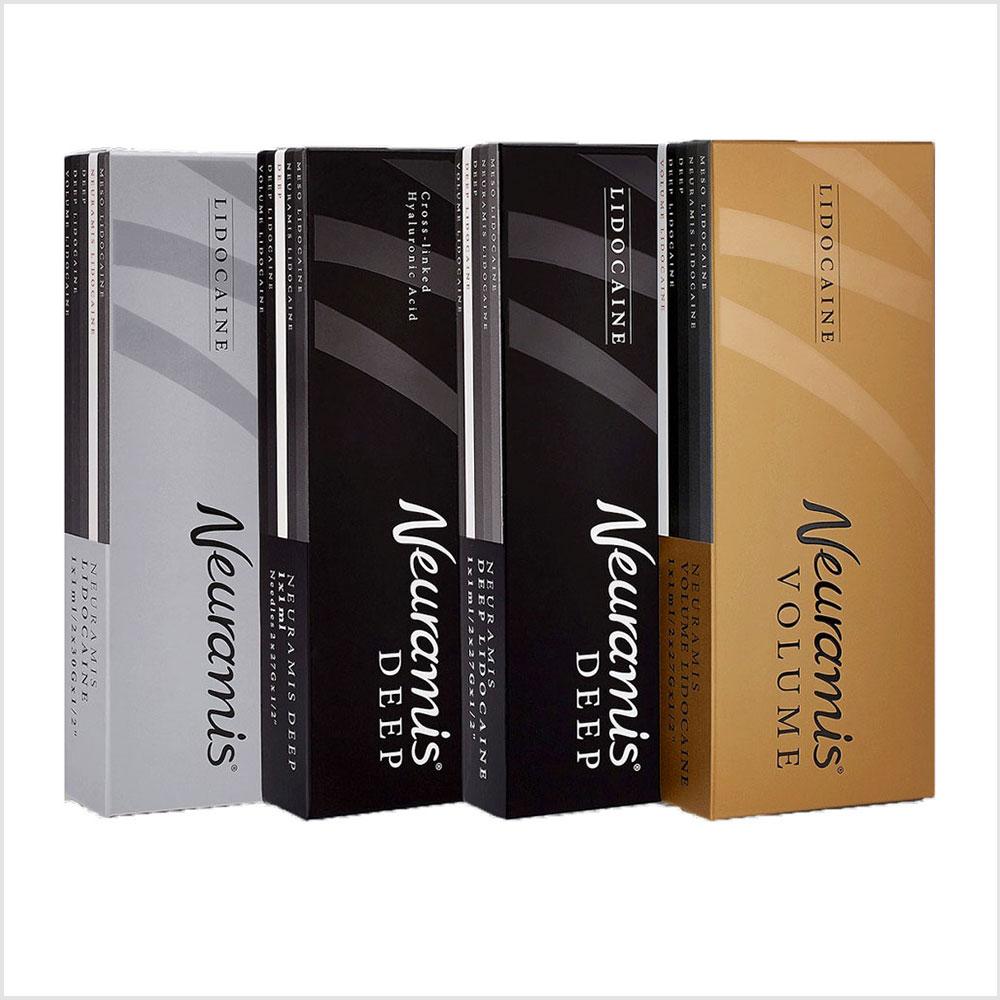
The short version: HA is a water-binding sponge, not a "hydration hero" HA (hyaluronic acid; the salt form sodium hyaluronate is what ingredient lists show) is a glycosaminoglycan…
Category:Key IngredientsTags:hyaluronic acid, HA, dermal filler, skin barrier, cross-linking, BDDE
11/28/2026Read article
PN (Polynucleotide) Explained: What Salmon DNA Can and Cannot Do for Your Skin
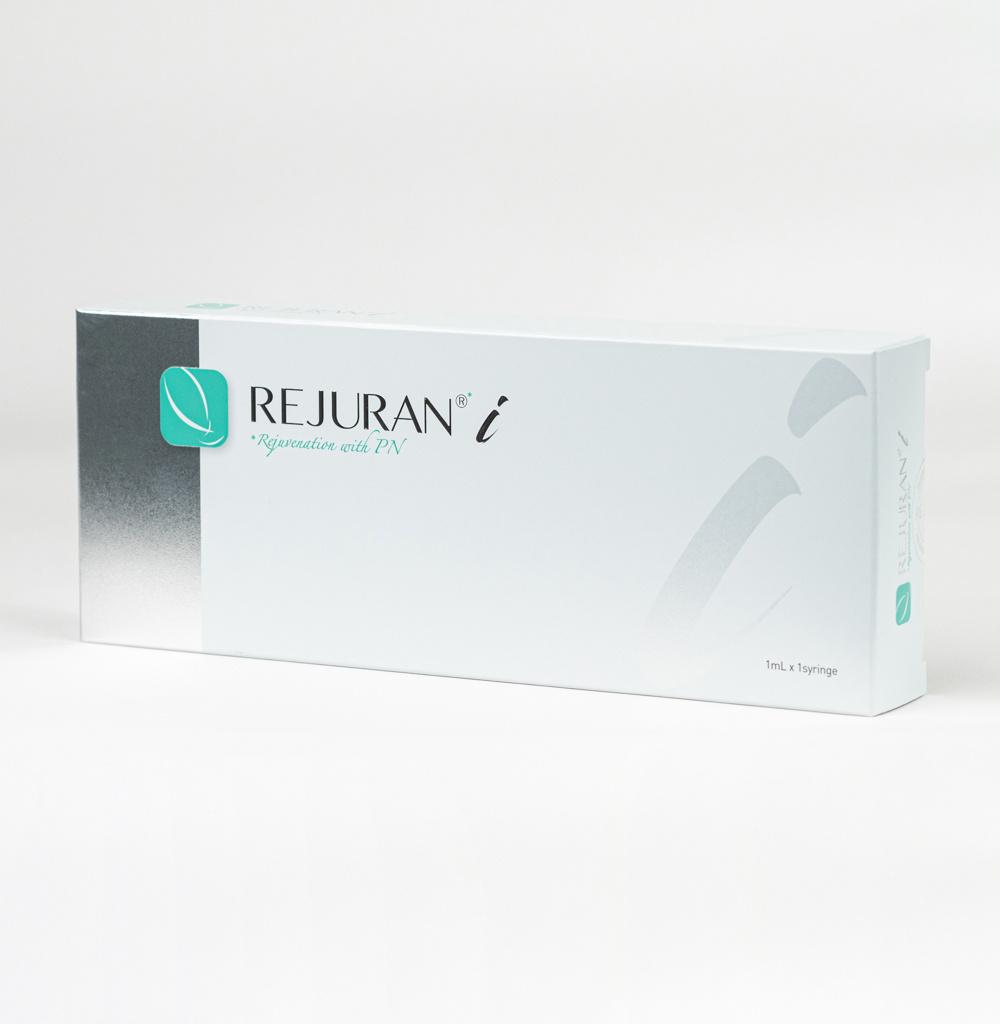
Start here: PN is a long-chain DNA fragment, not "salmon essence" PN stands for polynucleotide: one strand of nucleotides joined through phosphodiester bonds, the same family as…
Category:Key Ingredients
11/28/2026Read article
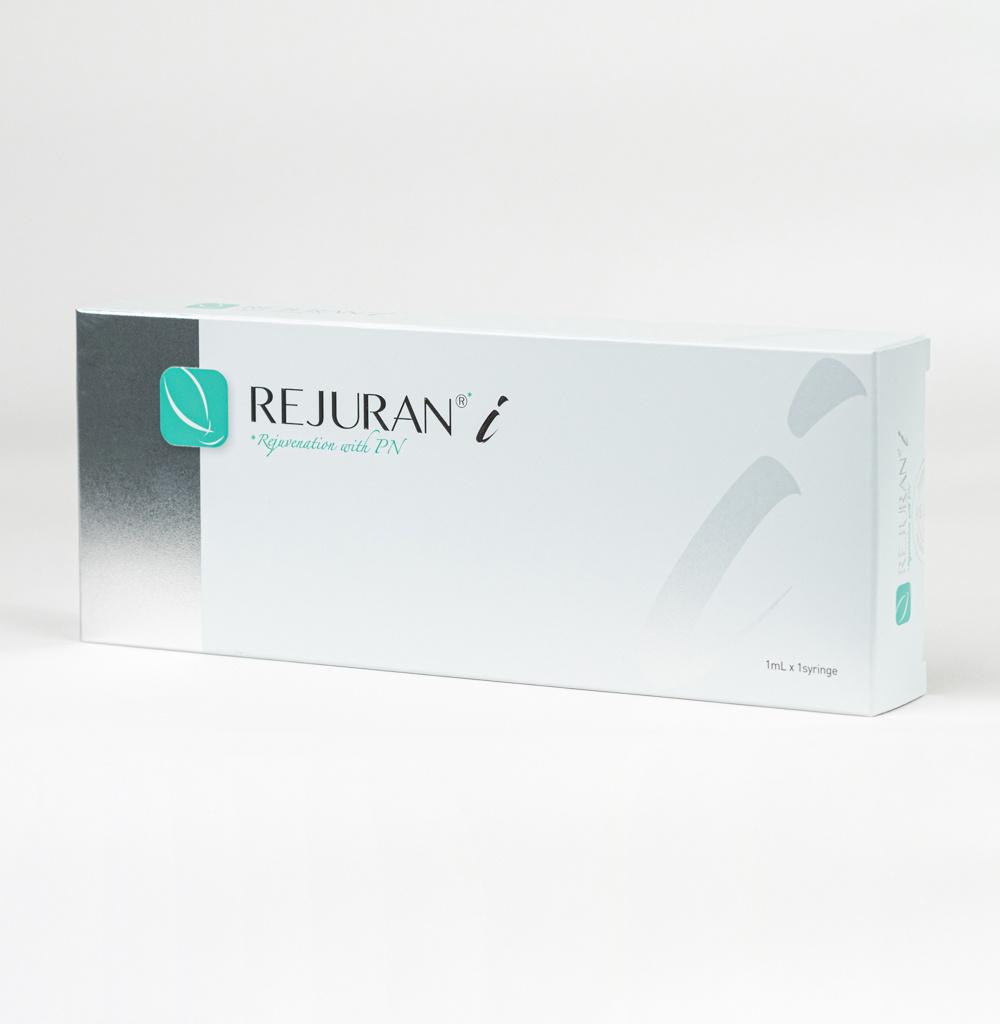
PN (Polynucleotide): The Science of Salmon DNA Skin Regeneration
What Exactly Is PN? A Simple Explanation for a Complex-Sounding Molecule PN = Polynucleotide = "Poly"-nucleotide "Polynucleotide" sounds intimidating — but conceptually it is…
Category:Key Ingredients
11/28/2026Read article
NPRA (Malaysia) & BPOM (Indonesia): How to Verify Skincare
In Malaysia check the NPRA NOT notification number; in Indonesia check the BPOM notification. Both confirm a cosmetic is legally marketed and safe for routine brightening use.
Category:Compliance & SafetyTags:NPRA, BPOM, NOT number, halal, compliance, safe cosmetics
10/13/2026Read article
A Simple AM/PM Routine for Hyperpigmentation
AM: cleanser, vitamin C, niacinamide, moisturiser, SPF 50+. PM: cleanser, tranexamic acid or azelaic acid, moisturiser. Keep it consistent and non-irritating.
Category:RoutineTags:AM PM routine, niacinamide, tranexamic acid, SPF, brightening routine
10/13/2026Read article
How Long Does It Take to Fade Hyperpigmentation?
Surface PIH fades in 3–6 months; deeper melasma can take 6–12 months; without daily SPF, progress stalls entirely. Consistency beats strength.
Category:BrighteningTags:fade timeline, results, consistency, PIH, melasma
10/13/2026Read article
Best Ingredients for Hyperpigmentation: A Comparison
Tranexamic acid, niacinamide, vitamin C, alpha arbutin, azelaic acid, and retinoids each fade dark spots differently; layering niacinamide + tranexamic acid + SPF covers most cases safely.
Category:Key IngredientsTags:tranexamic acid, niacinamide, vitamin C, alpha arbutin, skin brightening
10/13/2026Read article
Hydroquinone Restrictions in Malaysia & Indonesia: Safe Alternatives
Hydroquinone is a regulated, prescription-only or restricted agent in both MY (NPRA) and ID (BPOM); tranexamic acid, alpha arbutin, and niacinamide are the compliant, everyday alternatives.
Category:Compliance & SafetyTags:hydroquinone, NPRA, BPOM, tranexamic acid, safe brightening
10/13/2026Read article
Sunscreen Is the #1 Step to Prevent Hyperpigmentation
No brightening serum works without SPF — UV re-darkens every mark. Use SPF 50+ daily in MY & ID and re-apply every 2–3 hours outdoors.
Category:Sun ProtectionTags:sunscreen, SPF 50, UV, prevention, tropical
10/13/2026Read article
What Causes Post-Inflammatory Hyperpigmentation (PIH) in Tropical Climates?
PIH is the dark mark left after skin heals from acne, insect bites, or heat rash; in Malaysia and Indonesia the intense UV and year-round humidity make these marks darker and slower to fade.
Category:Post-inflammatory HyperpigmentationTags:PIH, post-inflammatory hyperpigmentation, tropical skincare, dark spots
10/13/2026Read article
Melasma During Pregnancy: Safe Ingredients
During pregnancy, rely on SPF 50+, niacinamide, azelaic acid, and vitamin C; avoid high-strength retinoids and prescription hydroquinone unless a doctor approves.
Category:MelasmaTags:pregnancy melasma, hormonal, safe skincare, SPF, consult doctor
10/13/2026Read article
Physical vs Chemical Sunscreen for Pigmentation
Both block UV; physical (zinc oxide / titanium dioxide) is gentler for irritated or post-acne skin, while modern chemical filters feel lighter in tropical humidity. Either works if SPF 50+ and re-applied.
Category:Sun ProtectionTags:physical sunscreen, chemical sunscreen, zinc oxide, PIH, tropical
10/13/2026Read article
Hyperpigmentation on Sensitive Skin: A Gentle Plan
For sensitive skin, protect the barrier first: SPF 50+, niacinamide, and low-strength azelaic acid. Skip harsh scrubs and high-strength retinoids that trigger the inflammation causing PIH.
Category:RoutineTags:sensitive skin, PIH, gentle routine, azelaic acid, barrier
10/13/2026Read article
Ingredients and Habits That Worsen Hyperpigmentation
Irritation is the hidden driver of PIH: harsh scrubs, high alcohol, fragrance, and over-exfoliation inflame skin and deepen marks. Calm skin fades faster than treated-but-angry skin.
Category:Key IngredientsTags:irritation, PIH triggers, fragrance, barrier, over-exfoliation
10/13/2026Read article
How to Fade Sun Spots in a Tropical Climate
Sun spots (solar lentigines) come from years of UV; fade them with vitamin C + niacinamide and strict SPF 50+ re-applied every 2–3 hours outdoors.
Category:BrighteningTags:sunspots, solar lentigines, vitamin C, SPF, tropical
10/13/2026Read article
How to Treat Acne Marks (Post-Acne Hyperpigmentation)
Stop picking, apply azelaic acid 10–20% or tranexamic acid, and wear SPF 50+ daily; most red-brown acne marks fade in 3–6 months.
Category:Post-inflammatory HyperpigmentationTags:acne marks, post-acne pigmentation, azelaic acid, PIH
10/13/2026Read article
Melasma vs PIH: What Is the Difference?
PIH is a dark spot left by a specific injury (acne, bite); melasma is symmetrical brown patches driven by hormones and sun that appear on both cheeks, forehead, or upper lip.
Category:MelasmaTags:melasma, PIH, hormonal pigmentation, dark patches
10/13/2026Read article
Can You Use Niacinamide and Vitamin C Together?
Yes. Modern stabilised niacinamide and vitamin C are safe together; use vitamin C in the AM for antioxidant protection and niacinamide any time for tone and barrier support.
Category:Key IngredientsTags:niacinamide, vitamin C, layering, brightening, routine
10/13/2026Read article